


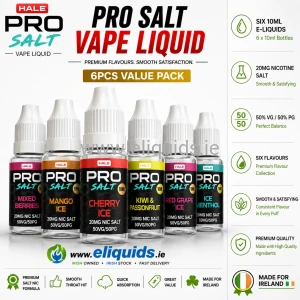




WHO Proposes Vape Flavour Restrictions – What It Means for Ireland
The World Health Organization (WHO) has proposed tighter restrictions on non-tobacco flavours in nicotine products, including vaping devices and nicotine pouches. The stated objective is to reduce youth appeal, particularly in jurisdictions where flavoured products are widely available.
What Is the WHO Proposing?
WHO policy discussions reference flavour regulation as part of broader tobacco control strategy under the Framework Convention on Tobacco Control (FCTC). The proposal encourages member states to consider restricting or prohibiting fruit, dessert and menthol flavours in nicotine products.
WHO recommendations are advisory and do not automatically change Irish law. Any implementation would require legislative action at EU or national level through Ireland’s Department of Health.
For a technical overview of the current EU regulatory framework, see our guide to EU TPD Regulations (Ireland – Technical Guide).
Ireland Regulatory Context
In Ireland, nicotine products are regulated under EU Tobacco Products Directive rules and national legislation. Current provisions include 2ml pod limits, a 20mg/ml nicotine cap, standardised labelling and mandatory age verification.
A future flavour restriction would require consultation, parliamentary review and formal legislative amendment before implementation. Ireland-specific compliance resources are available in our Help Center.
Scientific Perspective: Are Flavours Central to Cessation Outcomes?
Recent systematic reviews, including Cochrane analyses (2024), indicate that nicotine e-cigarettes may support smoking cessation compared to certain alternatives. However, interpretation of flavour-specific impact remains debated within public health research.
Further regulatory background on nicotine classification and safety oversight can be reviewed in Nicotine – Regulatory & Safety Information (Ireland).
Who Should Monitor This Discussion?
- Adult nicotine users monitoring potential availability changes.
- Retailers and manufacturers assessing regulatory stability.
- Policy analysts and public health observers evaluating harm-reduction versus restriction models.
What Can Consumers Do?
Consumers should follow updates from official Irish government sources, WHO publications and EU public health communications. Regulatory changes, if proposed, will undergo consultation and legislative review.
FAQ – Flavour Regulation in Ireland
Has Ireland implemented a flavour ban?
No. As of February 2026, Ireland regulates nicotine products under EU TPD rules without a comprehensive flavour prohibition.
Are WHO recommendations legally binding?
No. WHO guidance informs policy debate but does not directly impose national legislation.
Would tobacco flavours remain available?
International discussions generally focus on non-tobacco flavours. Final regulatory design would depend on Irish legislative decisions.
Final Assessment
The WHO proposal represents an ongoing international policy discussion rather than an immediate regulatory shift in Ireland. Any legislative adjustment would require structured review at EU or national level.
Sources & References (Last checked: 28 Feb 2026)
- WHO (30 May 2025) – Call to ban flavoured tobacco and nicotine products: WHO News Release
- WHO FCTC (30 May 2025) – Urges Parties to prohibit ingredients increasing attractiveness/palatability: FCTC Newsroom
- WHO – World No Tobacco Day 2025 campaign context: WNTD 2025 Campaign Page
- Ireland Department of Health (19 Nov 2025) – Proposals on disposable vapes and future nicotine products: gov.ie Press Release
- Oireachtas (17 Dec 2025) – Dáil debate record (Public Health / Single-Use Vapes Bill 2025): Oireachtas Debate Transcript
Article Update – February 2026
This article was reviewed and updated in February 2026 to reflect the latest WHO communications, Ireland Department of Health statements, and current EU regulatory discussions concerning flavour restrictions in nicotine products.
The content has been revised to ensure accuracy, neutrality, and alignment with publicly available regulatory sources.


