
GeekVape G Series 0.6Ω Mesh Coils – 5 Pack (RDL)
Regular price:
product unavailable
 Description
Quick Compatibility Guide
- GeekVape Wenax Series: Wenax S3, Wenax S-C, Wenax K1, Wenax K1 SE, Wenax K2, Wenax K3 (G Series compatible pods).
- GeekVape Aegis Pod Systems: Aegis Pod (G Series compatible pods).
- GeekVape AP2 (Aegis Pod 2): AP2 device using G Series compatible pods.
- GeekVape Obelisk 60: Obelisk 60 pod kit using G Series compatible pods.
- GeekVape Sonder U (Pod kit): Only if using a G Series coil-compatible pod/cartridge (some Sonder variants use integrated coils).
- Important note: Compatibility is determined by the pod/cartridge type. Some GeekVape pods use integrated coils and do not accept replaceable G Series coil heads.
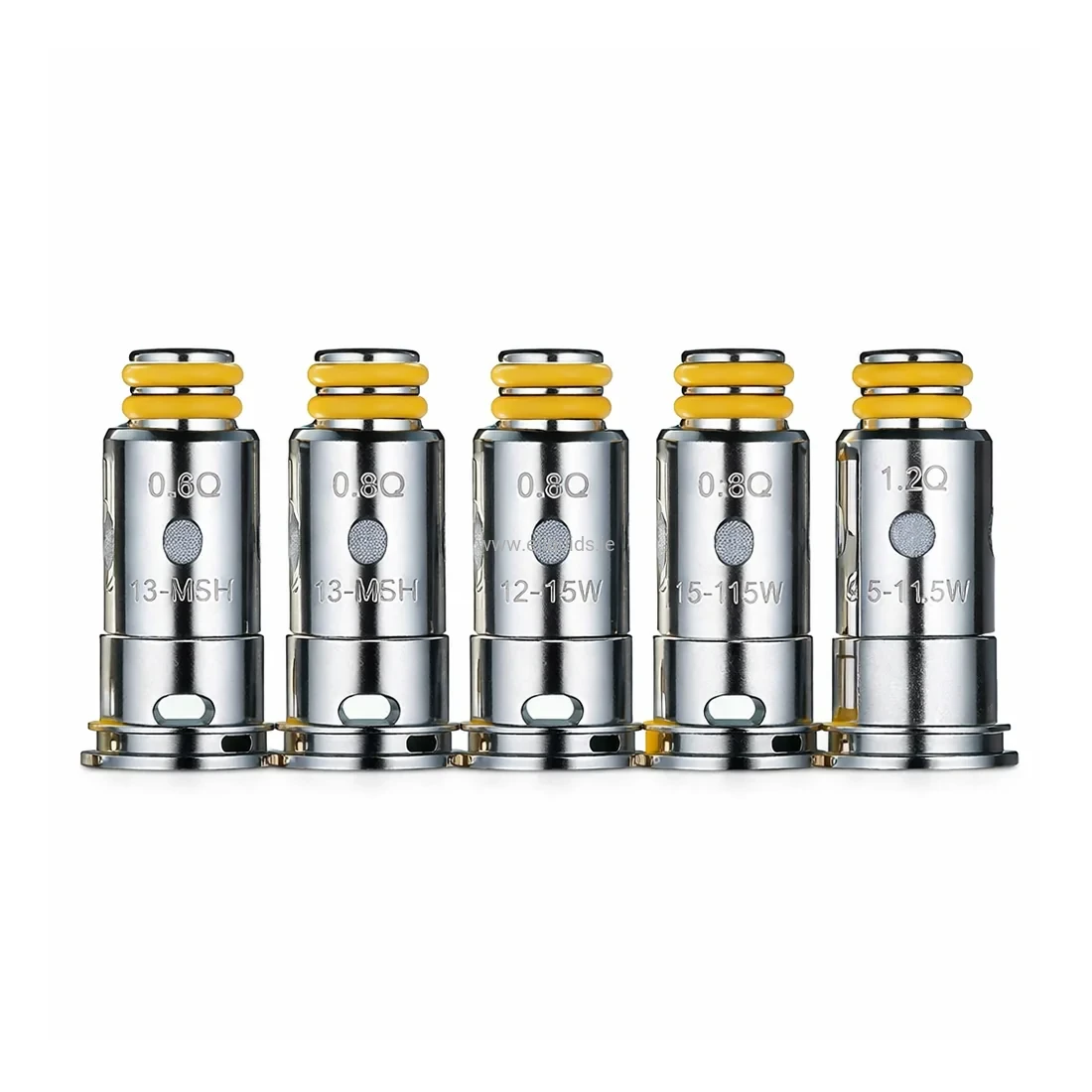
GeekVape G Series Coil Heads (Pack of 5) are replacement coil heads intended for regulated pod systems using GeekVape’s G-coil architecture. The range covers five resistance variants to support MTL through restricted-DTL inhale styles within defined power ranges.
What’s in the box
- 5 × GeekVape G Series coil heads (same resistance variant per pack, as selected).
- Not included: pod/cartridge, device and e-liquid.
Resistance & Heating Element Matrix
| Resistance (Ω) | Inhale Style | Recommended VG/PG | Heating Element Type | Thermal Behaviour |
|---|---|---|---|---|
| 0.6Ω | RDL / Loose MTL | 50/50 – 60/40 | Mesh | Faster ramp-up with higher surface area; suited to slightly higher liquid flow demand |
| 0.8Ω | MTL | 50/50 | Mesh | Balanced heat distribution with moderate liquid intake requirement |
| 1.0Ω | Tight MTL | 50/50 | Mesh | Lower thermal load at reduced power; tighter airflow tends to concentrate perceived warmth |
| 1.2Ω | Tight MTL | 50/50 (avoid high-VG) | Mesh | Controlled output; reduced airflow and higher viscosity liquids can increase dry-spot risk |
| 1.2Ω (S) | Very Tight MTL | 50/50 (low viscosity required) | Standard wire (manufacturer not specified) | Lower power requirement; tight draw and smaller liquid ports favour thinner blends |
Material Transparency & Coil Architecture
Mesh heating elements: A higher surface area structure that can promote more even heat distribution across the wick. In practice, mesh variants may require consistent saturation to avoid local dry spots.
Standard wire variant (1.2Ω S): The heating alloy is not specified in the provided data. For regulated devices, stable operation depends on maintaining contact cleanliness and staying within the manufacturer’s recommended power window.
Resistance tolerances: Minor resistance variation between units is normal due to manufacturing tolerances and contact conditions in the pod.
Authenticity & Quality
Use genuine GeekVape coil heads supplied through authorised distribution channels. Authentic components are more likely to maintain consistent resistance tolerances and stable wicking geometry across refill cycles.
If your packaging includes authenticity verification features (e.g., scratch/QR systems), verify via the official manufacturer channel where applicable.
Liquid Composition & Coil Longevity
Liquid viscosity and sweetener load influence residue formation on the heating surface. Heavily sweetened liquids typically accelerate deposits, which can reduce flavour clarity and shorten the stable performance window.
For best stability, match the coil resistance to an appropriate VG/PG ratio and begin at the lower end of the recommended wattage range before increasing gradually.
Ireland Climate & Responsible Disposal
In cooler Irish ambient conditions, higher-VG liquids become more viscous, which can slow capillary flow—especially in tighter MTL coil designs. Keeping the device closer to room temperature helps maintain consistent wicking.
Used coil heads contain metal components and residual e-liquid. In Ireland, disposal should follow appropriate WEEE or metal recycling guidance rather than general household waste.
Technical FAQ – Maintenance & Compatibility
Can 1.2Ω variants be used with 70VG liquids?
70VG blends are typically not suitable for 1.2Ω tight-MTL variants. Higher viscosity can exceed the coil’s liquid intake capacity, increasing dry-spot risk and thermal stress during use.
How long should I prime a new coil?
After installing the coil, fill the pod and wait 5–10 minutes for full wick saturation. Start at the low end of the recommended power range and increase gradually if required.
Why can a coil overheat or taste burnt?
Common causes include insufficient priming, operating above the recommended wattage range, chain vaping that outpaces wicking, or using liquid that is too viscous for the coil’s intake ports.
Products intended for adult users (18+) in Ireland.