A Beginner's Guide to Understanding E-Liquid: Everything You Need to Know
Welcome to the world of e-liquids, a fascinating realm that has revolutionised the way many people approach nicotine consumption. If you're curious about vaping or considering making the switch from traditional smoking, understanding e-liquid is a great starting point. This liquid, often called vape juice or e-juice, is what transforms into vapour in your device, offering a less harmful alternative to cigarettes. Unlike smoking, which involves burning tobacco and inhaling harmful chemicals, vaping with e-liquids provides a similar sensation without the associated risks. Let's dive into what makes e-liquid such an essential part of the vaping experience and how it can cater to your personal preferences.
- What is E-Liquid? E-liquid, also known as vape juice or e-juice, is the liquid used in electronic cigarettes and vape devices to create vapour. Its main purpose is to deliver nicotine in a less harmful way compared to traditional smoking.
- How Does E-Liquid Work? E-liquid works by being heated within a vape device, transforming into vapour that can be inhaled. This process involves soaking the coil, heating it, and producing vapour for inhalation.
- Is E-Liquid Harmful? While not completely risk-free, e-liquids are considered less harmful than traditional cigarettes as they lack many harmful chemicals like tar and carcinogens. Regulatory standards ensure their safety when purchased from reputable sources.
- What is in E-Liquid? The main components of e-liquid include Propylene Glycol (PG), Vegetable Glycerin (VG), food flavourings, and nicotine. Each ingredient plays a role in delivering flavour, vapour production, and satisfying nicotine cravings.
- Different Types of E-Liquid Ratios The PG/VG ratio in e-liquids affects flavour intensity, throat hit, and vapour production. Higher PG offers stronger throat hits while higher VG provides smoother inhales and thicker clouds.
- How to Choose the Right E-Liquid Nicotine Strength? Your previous smoking habits determine the right nicotine strength. Heavy smokers might need higher levels (16mg-20mg), while light smokers may find lower strengths (3mg-6mg) sufficient. Non-smokers should opt for 0mg to avoid addiction risks.
- Understanding Bottle Sizes In the UK, TPD regulations limit nicotine-containing e-liquids to 10ml bottles for safety. Shortfills offer larger quantities without nicotine, allowing users to add their own nicotine shots for customisation.
What is E-Liquid?
E-liquid, often referred to as vape juice or e-juice, is a fundamental component of the vaping experience. It's a liquid solution used in electronic cigarettes and vape devices to create vapour, which is then inhaled by the user. The primary purpose of e-liquid is to deliver nicotine in a less harmful way compared to traditional smoking. Unlike cigarettes, which burn tobacco and produce smoke filled with harmful chemicals, e-liquids are designed to provide a similar sensation without the associated health risks.
There are several common names for e-liquid, including:
- Vape Juice
- E-Juice
- Mod Juice
The role of e-liquid in vaping is crucial as it not only delivers nicotine but also enhances the overall experience through various flavours. By heating the liquid within the device, it transforms into an aerosol that can be inhaled. This process allows users to enjoy the sensation of smoking without exposure to tar and carcinogens found in traditional cigarettes. Whether you're new to vaping or considering making the switch from smoking, understanding what e-liquid is and how it functions can help you make informed decisions about your vaping journey.
How Does E-Liquid Work?
To understand how e-liquid works, it's essential to first get acquainted with the basic components of a vape device. Typically, a vape device consists of three main parts: a battery, a tank, and a coil. The battery provides the power needed to heat the coil, which in turn heats the e-liquid stored in the tank. As the e-liquid is heated, it transforms into vapour that can be inhaled. This process is quite similar to boiling water in a kettle, where the liquid turns into steam. However, instead of steam, you inhale a flavoured vapour.
The transformation of e-liquid into vapour involves several steps:
- Soaking the Coil: Once you fill your tank with e-liquid, it begins to soak into the coil's wick.
- Heating: When you activate your device by pressing the button or inhaling (depending on your device), the battery sends power to the coil.
- Vapour Production: The coil heats up and vaporises the soaked e-liquid, creating an aerosol that you can inhale.
This process allows vapers to enjoy nicotine and flavours without many of the harmful chemicals found in traditional cigarettes. It's important to choose the right type of e-liquid for your device to ensure optimal performance and satisfaction.
Is E-Liquid Harmful?
When it comes to the question of whether e-liquid is harmful, it's important to consider the current understanding and research available. Compared to traditional smoking, vaping with e-liquids presents a significantly reduced risk. This is primarily because e-liquids do not contain many of the harmful chemicals found in cigarettes, such as tar, benzene, carbon monoxide, and hydrogen cyanide. These substances are known carcinogens and contribute to various smoking-related illnesses. Instead, e-liquids are composed of ingredients that are generally recognized as safe for consumption.
Regulatory standards play a crucial role in ensuring the safety of e-liquids. In the UK, for instance, the Tobacco Products Directive (TPD) mandates stringent testing and quality control measures for all vape products. This includes ensuring that no potentially dangerous elements have entered during manufacturing or bottling processes. As a result, consumers can be confident that when they purchase e-liquids from reputable sources, they are choosing products that meet high safety standards. Here’s what you should look for:
- Absence of harmful chemicals: Unlike cigarettes, e-liquids do not contain tar or other carcinogens.
- Regulatory compliance: Ensure your e-liquid is TPD compliant for peace of mind.
- Reputable brands: Purchase from trusted manufacturers who adhere to safety regulations.
While vaping is considered less harmful than smoking, it’s always wise to stay informed about ongoing research and updates in regulations to make well-informed choices about your health.
What is in E-Liquid?
When it comes to understanding what is in e-liquid, it's essential to break down its four main components: Propylene Glycol (PG), Vegetable Glycerin (VG), food flavourings, and nicotine. Each of these ingredients plays a specific role in the vaping experience. PG is a thin liquid that helps carry the flavour and nicotine, providing a sensation known as the "throat hit," similar to smoking a traditional cigarette. VG, on the other hand, is thicker and contributes to producing dense vapour clouds, offering a smoother inhale.
The flavourings used in e-liquids are typically food-grade or medical-grade, ensuring safety for consumption. These flavourings are what give e-liquids their diverse range of tastes, from fruity to dessert-like profiles. Nicotine is included in varying strengths to satisfy cravings for those transitioning from smoking. It's important to note that while nicotine is addictive, it’s the absence of harmful chemicals like tar and carbon monoxide that makes vaping a less harmful alternative to smoking. Here's a quick rundown of the ingredients:
- Propylene Glycol (PG): Carries flavour and nicotine; provides throat hit.
- Vegetable Glycerin (VG): Produces vapour; offers smoother inhale.
- Food Flavourings: Provide taste variety; safe for consumption.
- Nicotine: Satisfies cravings; available in different strengths.
This combination of ingredients allows vapers to customise their experience according to personal preferences, whether they prioritise flavour intensity or vapour production. Understanding these components can help you make informed choices about which e-liquid might best suit your needs.
Different Types of E-Liquid Ratios
When it comes to e-liquids, understanding the different PG/VG ratios is essential for tailoring your vaping experience. The ratio of Propylene Glycol (PG) to Vegetable Glycerin (VG) in an e-liquid can significantly impact the flavour, throat hit, and vapour production. A higher PG content, such as a 70/30 PG/VG mix, typically offers a stronger throat hit and more intense flavour, making it ideal for those transitioning from smoking. On the other hand, VG-heavy blends like 70/30 VG/PG are known for producing thick clouds of vapour and providing a smoother inhale, which is perfect for cloud chasers.
Choosing the right PG/VG ratio also depends on the type of device you use. For example:
- Vape Pens: These devices often work best with a balanced 50/50 ratio or higher PG blends to prevent coil clogging and ensure efficient wicking.
- Sub-Ohm Tanks: Designed for direct-to-lung vaping, these tanks perform optimally with high VG liquids due to their ability to handle thicker juices at higher temperatures.
Your personal preference plays a crucial role too. If you enjoy a strong throat hit reminiscent of traditional cigarettes, opt for a higher PG blend. Conversely, if you're after voluminous clouds and a smooth experience, go for a VG-dominant e-liquid. Experimenting with different ratios will help you discover what suits your taste and device best.
How to Choose the Right E-Liquid Nicotine Strength?
Choosing the right e-liquid nicotine strength is crucial for a satisfying vaping experience, especially if you're transitioning from smoking. Your previous smoking habits play a significant role in determining the appropriate nicotine level. For heavy smokers, typically those who smoked more than 15 cigarettes a day, higher nicotine strengths such as 16mg to 20mg might be necessary to adequately satisfy cravings. These strengths are usually found in e-liquids with a higher PG content, which provides a stronger throat hit similar to traditional smoking. However, it's important to experiment within this range to find what truly satisfies your needs without overwhelming your senses.
On the other hand, light smokers, who consumed up to 10 cigarettes daily, may find lower nicotine levels between 3mg and 6mg sufficient. This allows for more flexibility in choosing between different types of e-liquids, including those with balanced PG/VG ratios that offer both flavour and vapour production. For non-smokers considering vaping, it's advisable to opt for nicotine-free options (0mg) to avoid unnecessary addiction risks. Here's a quick guide:
- Heavy Smokers: Start with 16mg-20mg nicotine strength.
- Light Smokers: Consider 3mg-6mg nicotine strength.
- Non-Smokers: Choose 0mg nicotine strength.
Remember, finding the right balance might take some trial and error, but understanding your own needs will help you make an informed decision that enhances your vaping experience.
Understanding Bottle Sizes
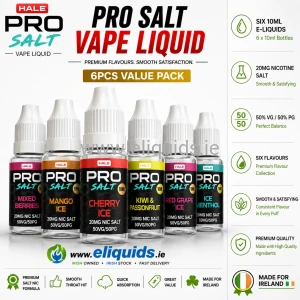
When it comes to choosing e-liquid, understanding the differences between 10ml bottles and shortfills is crucial. In the UK, TPD (Tobacco Products Directive) regulations dictate that e-liquids containing nicotine cannot be sold in bottles larger than 10ml. This ensures safety and quality control, as each bottle must meet stringent standards before hitting the shelves. These smaller bottles are perfect for those who prefer a more straightforward vaping experience or are just starting out. They offer a convenient way to try different flavours and nicotine strengths without committing to a larger quantity.
On the other hand, shortfills provide a flexible option for vapers who want more control over their nicotine intake. These are larger bottles of nicotine-free e-liquid, typically ranging from 50ml to 100ml, with extra space left for adding nicotine shots. To achieve your desired nicotine level, simply add a nicotine shot to the shortfill bottle and shake well. Here's how it works:
- Add one 10ml nicotine shot (usually 18mg) to a 50ml shortfill to create a 3mg nicotine strength.
- Add two 10ml nicotine shots to a 100ml shortfill for the same result.
This method allows you to customize your vaping experience while adhering to TPD regulations. Whether you choose 10ml bottles or shortfills depends on your personal preference and vaping habits, but both options offer unique benefits tailored to different needs.
Summary
E-liquid, commonly known as vape juice or e-juice, is a vital part of the vaping experience. It is used in electronic cigarettes and vape devices to create vapour for inhalation. The main goal of e-liquid is to deliver nicotine in a way that is considered less harmful than traditional smoking. Unlike cigarettes, which burn tobacco and produce smoke filled with harmful chemicals, e-liquids are designed to provide a similar sensation without the associated health risks. This makes them an attractive option for those looking to reduce their exposure to the harmful substances found in cigarette smoke.
The process of using e-liquid involves heating it within a vape device, transforming it into an aerosol that can be inhaled. This allows users to enjoy the sensation of smoking without exposure to tar and carcinogens found in traditional cigarettes. E-liquids come in various flavours, enhancing the overall experience and allowing users to customise their vaping journey according to personal preferences. Understanding how e-liquid works and its components can help you make informed decisions about your vaping habits, whether you're new to vaping or considering switching from smoking.
FAQ
Can I make my own e-liquid at home?
Yes, you can make your own e-liquid at home, but it's important to do so safely and legally. You'll need to purchase the base ingredients such as Propylene Glycol (PG), Vegetable Glycerin (VG), nicotine (if desired), and flavour concentrates. It's crucial to follow precise measurements and safety guidelines to ensure the final product is safe for use. Additionally, be aware of any local regulations regarding homemade e-liquids.
How should I store my e-liquid?
E-liquids should be stored in a cool, dark place away from direct sunlight and heat sources. This helps maintain their quality and flavour over time. Make sure the bottles are tightly sealed to prevent air exposure, which can degrade the nicotine and flavours. Keeping them out of reach of children and pets is also essential for safety.
What should I do if my e-liquid tastes burnt?
If your e-liquid tastes burnt, it might be due to a dry coil or using too high a wattage setting on your device. Ensure that your coil is properly saturated with e-liquid before vaping. If the problem persists, try lowering the wattage or replacing the coil if it's old or damaged.
Are there any side effects of using e-liquids?
While vaping is generally considered less harmful than smoking, some users may experience side effects such as dry mouth, throat irritation, or coughing. These are often related to dehydration or sensitivity to certain ingredients like PG. Staying hydrated and experimenting with different PG/VG ratios might help alleviate these issues.
Can I mix different flavours of e-liquids?
Yes, you can mix different flavours of e-liquids to create unique combinations that suit your taste preferences. However, it's advisable to start with small amounts to see how the flavours blend together before committing larger quantities. Mixing can be a fun way to customise your vaping experience.
How long does an e-liquid last before it expires?
E-liquids typically have a shelf life of about one to two years when stored properly. Over time, the nicotine content may degrade, and flavours might lose their intensity. Always check for changes in colour or smell as indicators that an e-liquid may have expired.
Is it safe to vape without nicotine?
Vaping without nicotine is generally considered safe for most people since it eliminates the addictive component found in traditional cigarettes. Many users enjoy vaping purely for the flavours and vapour production without any nicotine content.
What should I do if I spill e-liquid on my skin?
If you accidentally spill e-liquid on your skin, wash the affected area immediately with soap and water. Nicotine can be absorbed through the skin, so it's important to clean up spills promptly to avoid any potential adverse effects.
Can I travel with my vape device and e-liquids?
You can travel with your vape device and e-liquids, but it's important to check airline regulations regarding electronic devices and liquids in carry-on luggage. Typically, you'll need to pack them in accordance with liquid restrictions and ensure batteries are safely stored.
Why does my vape leak when I'm using it?
A leaking vape can be caused by several factors such as overfilling the tank, damaged seals or o-rings, or using an incorrect PG/VG ratio for your device. Check these components and ensure you're filling your tank correctly according to manufacturer instructions.
Whether you're just starting or looking to refine your vaping experience, understanding e-liquid is key. Explore the vast collection at eliquids.ie to find the perfect blend of flavor, nicotine strength, and vapor production that suits your style.